
Describe the behavior, not just the damage
Small details can make a repair request much clearer. Does the key enter but refuse to turn? Does the handle move without retracting the latch? Does the lock operate normally until the door closes? Explain what you notice and whether the problem appeared suddenly or developed gradually.
Mention a recent impact, a broken key or a change to the door. You do not need the technical name of the component to make a useful call. A description of what used to happen and what happens now is often a better starting point than guessing which part needs replacement.
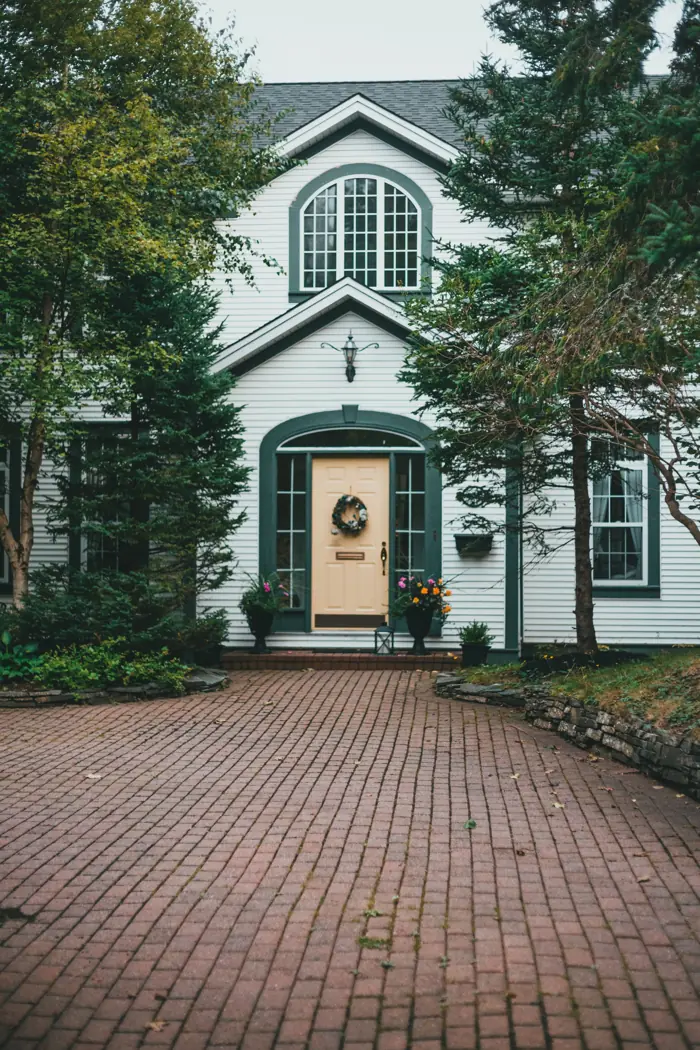
Check the whole entrance as part of the problem
The cylinder, latch, strike and door position all affect normal operation. A lock may feel stiff because of a worn component, but it can also be under pressure from the way the door meets the frame. The same symptom can therefore lead to different repair decisions.
For an exterior door, explain whether it closes squarely and whether the problem changes with the door open. Do not force a resistant key or keep slamming the entrance to make it catch. If the assessment points to a wider door or frame issue, that needs to be addressed rather than hidden by a new lock.
Choose a repair that makes sense for the hardware
Repair depends on the condition of the lock and the availability of suitable parts. A sound piece of hardware with an isolated problem may be a different proposition from a damaged or heavily worn lock. Discuss the options after the hardware has been identified and the issue assessed.
If replacement is the more practical choice, ask how it affects your existing keys, the door preparation and matching hardware. For a business or managed property, check any approved-hardware requirements. The aim is a door that works reliably for its normal use, rather than a change made solely because a new part is available.
Explain how urgent the problem is
A lock that is awkward to use is different from an entrance you cannot secure at all. Make that distinction during the call, and mention whether another usable entrance exists. Provide the full Smyrna address and any access details so current availability can be discussed for the actual situation.
Ask about the assessment, proposed repair and applicable charges before work begins. Once the work is complete, operate the lock several times under normal conditions. Check the key and handle with the door open and closed, and confirm that the original symptom has been addressed before treating the job as finished.
Good to have ready
- What the key, handle or latch does
- Whether the door opens and can be secured
- Recent damage or changes to the entrance
- Any hardware or property-management requirements
A couple of useful answers
Why does my key work when the door is open but not closed?
That can point to pressure or alignment at the door, although the lock still needs assessment. Describe the difference when you call so the entire entrance can be considered.
Can an older lock be repaired?
It depends on its condition and whether suitable parts are available. Have the hardware assessed before deciding between repair and replacement, especially if you want to preserve a matching set.